
Common Budgeting Mistakes to Avoid That Harm Your Finances
Creating a budget can be a powerful way to manage your money, but many people struggle to stick with it. Often, it’s not because budgeting doesn’t work, but because certain common mistakes sabotage your efforts. Understanding and avoiding these errors can help you take control of your finances and reach your goals faster. Here are 10 budgeting mistakes to watch out for.
1. Not Tracking Your Expenses
One of the biggest mistakes is not tracking where your money goes. Without knowing your spending patterns, it’s impossible to make a realistic budget. Keep a record of every expense, even small purchases like coffee or snacks. Over time, these add up and can affect your ability to save.
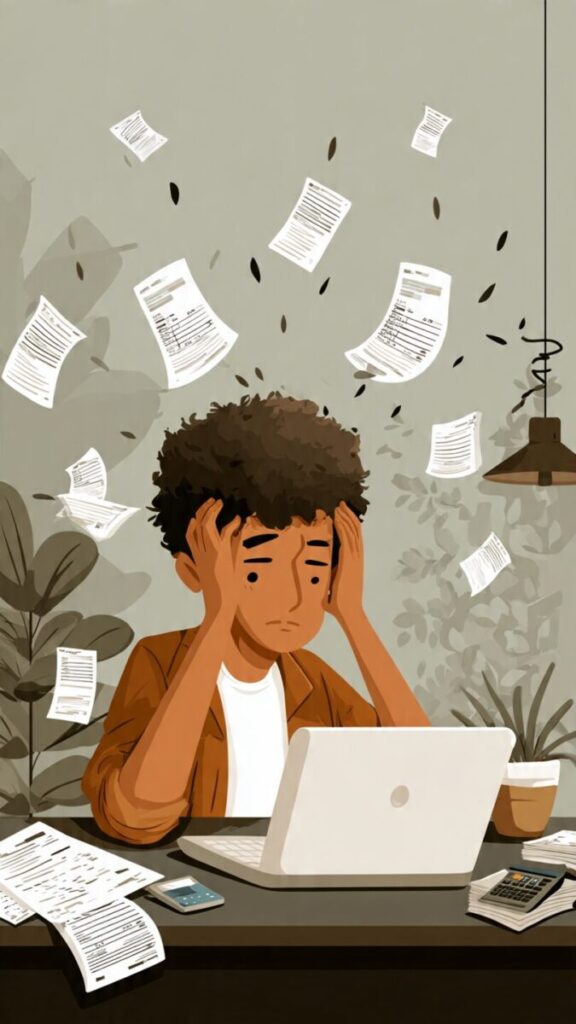
2. Being Unrealistic About Spending
Some people create budgets that are too strict or unrealistic. Cutting out all treats or entertainment rarely works long-term. A budget should reflect your lifestyle and allow some flexibility. If it’s too rigid, you’re likely to abandon it. Set achievable limits for each category instead.
3. Ignoring Irregular Expenses
Many forget to plan for irregular expenses, such as car maintenance, medical bills, or annual subscriptions. These can catch you off guard and force you to dip into savings or go into debt. Include a small buffer in your monthly budget to cover these costs.
4. Skipping Savings
Another common mistake is focusing only on expenses and ignoring savings. A budget isn’t just about cutting costs; it’s about preparing for the future. Always include a portion of your income for savings, even if it’s small. Over time, these contributions add up and provide financial security.
5. Failing to Adjust the Budget
Life changes, and your budget should too. People often stick with the same plan even when circumstances change, such as a new job, a move, or added expenses. Regularly review and adjust your budget to reflect your current situation. This keeps it realistic and effective.
6. Not Categorizing Expenses Properly
Some budgets fail because they lump all expenses together. Categorizing spending into “needs,” “wants,” and “savings/debt repayment” makes it easier to see where your money is going. Proper categories help identify areas where you can cut back or redirect funds to more important priorities.

7. Forgetting About Debt
Many people create budgets that ignore debt repayment. If you have loans or credit card balances, it’s important to include them in your budget. Prioritizing high-interest debt first can save you money in the long run and reduce financial stress.
8. Relying Too Much on Cash
Some people think using only cash prevents overspending. While it can help, it’s not always practical. Bills, online subscriptions, and automatic payments require digital transactions. Focus instead on tracking all spending, whether cash, card, or online, to get a full picture.
9. Not Setting Goals
Budgeting without clear goals can feel pointless. Do you want to save for an emergency fund, pay off debt, or go on a vacation? Setting specific goals helps guide your spending choices and keeps you motivated. Without goals, it’s easy to lose focus and revert to old habits.
10. Giving Up Too Soon
Finally, one of the biggest mistakes is giving up too quickly. Budgeting is a skill that takes practice. You may overspend occasionally or miscalculate at first. Instead of abandoning your budget, learn from mistakes, adjust your plan, and keep going. Consistency is more important than perfection.
How to Avoid These Mistakes
Avoiding these common errors starts with awareness and planning:
- Track every expense: Use a spreadsheet, app, or notebook to record all spending.
- Set realistic limits: Build a budget that fits your lifestyle and allows occasional treats.
- Plan for irregular costs: Allocate a monthly buffer for unexpected or annual expenses.
- Include savings: Treat savings like a mandatory expense, not an afterthought.
- Review regularly: Adjust your budget as your income or needs change.
- Categorize spending: Separate needs, wants, and savings to see your financial priorities.
- Include debt repayment: Make paying off debt a key part of your budget.
- Track all spending: Don’t rely solely on cash; include cards, subscriptions, and digital payments.
- Set clear goals: Know what you’re working toward, whether short-term or long-term.
- Be patient: Budgeting takes time. Stay consistent and adjust along the way.
Final Thoughts
Budgeting is not about restricting yourself—it’s about control. Avoiding these common mistakes will help you make a realistic plan, save more money, and reduce financial stress. Remember, a budget is a living tool. It’s normal to adjust it as life changes.
By tracking spending, setting goals, and reviewing your plan regularly, you can create a budget that works for you. Even small, consistent steps can lead to financial stability and the freedom to achieve your goals. Start today, and learn from mistakes along the way—it’s all part of the process.