
Weekly Expense Tracker Helps You Control Spending And Save
Keeping track of your money can feel like a chore, but it doesn’t have to be. A weekly expense tracker helps you see exactly where your money goes and makes budgeting much easier. Instead of wondering why the month feels short, you’ll know how much you spend on groceries, bills, or even small treats. Tracking weekly also helps you spot patterns, like overspending on coffee or entertainment. In this post, we’ll explore how to use a weekly expense tracker, why it’s useful, and some tips to make it stick.

Why You Should Track Your Expenses Weekly
Tracking expenses weekly gives you a clear picture of your money habits in real-time. Unlike monthly budgets, weekly tracking allows you to adjust quickly if you overspend. For example, if you notice you’re spending too much on takeout by Wednesday, you can plan simpler meals for the rest of the week. Weekly tracking also reduces stress because you don’t face a giant list of expenses at the end of the month. Seeing your money in small, manageable pieces makes it easier to make smart decisions.
Tracking weekly also helps you catch unnecessary expenses you might forget otherwise. Small purchases, like coffee, snacks, or subscription fees, add up quickly. Weekly tracking makes it harder to overlook these costs. When you know exactly where your money goes, you’re less likely to waste it. Over time, this habit can help you save for bigger goals like travel, emergency funds, or paying off debt. It’s simple, yet powerful.
How to Set Up a Weekly Expense Tracker
Setting up a weekly expense tracker is easier than it sounds. Start with a simple notebook or a spreadsheet. List all categories like food, transportation, entertainment, bills, and savings. Then, write down every purchase as it happens. Some people prefer to track in the evening, adding up the day’s spending before bed. Others record expenses as soon as they happen. The key is consistency.
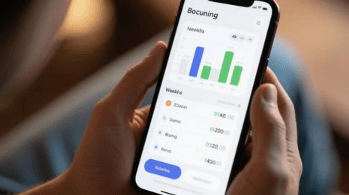
You can also use apps for more convenience. Many budgeting apps allow you to link bank accounts and categorize expenses automatically. This helps you see weekly totals without manual calculations. Even if you prefer paper, keeping a running total each week can motivate you to stay on track. Remember to include cash spending too; small cash purchases are often overlooked but matter in the big picture.
Tips to Make Your Weekly Tracking Successful
Consistency is the secret to making weekly expense tracking work. Pick a day of the week to review your spending and stick to it. This could be Sunday night, where you go through receipts and update your tracker. Another tip is to set weekly spending limits for each category. If groceries are $100 per week, try not to go over. Seeing the totals each week keeps you accountable and can prevent overspending.
Reward yourself for progress to stay motivated. For example, if you successfully track and stick to your limits for a month, treat yourself to a small non-expensive reward. Keep it simple, like a movie night at home or a coffee from your favorite café. Finally, review your tracker regularly to adjust your budget. Life changes, and so should your spending limits. Weekly tracking is not about restriction—it’s about control, awareness, and making your money work for you.
A weekly expense tracker is more than just numbers—it’s a tool for better money habits. By tracking weekly, you stay aware of spending, catch unnecessary expenses, and adjust quickly. Setting up a tracker can be simple, whether on paper or through apps. With consistent tracking and small weekly reviews, you gain control over your finances without stress. Over time, these small weekly habits build a strong foundation for long-term financial health and peace of mind.